Why Pharmaceutical Companies Prefer Modular Clean Room Solutions
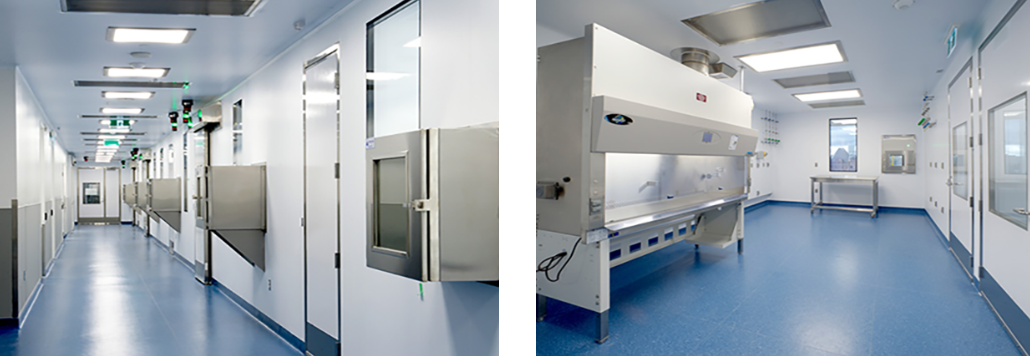
Pharmaceutical manufacturing requires highly controlled environments to ensure product safety, quality, and regulatory compliance. From tablet production to advanced biologics and vaccines, every stage of the process must meet strict contamination control standards. Even microscopic particles can compromise an entire batch, leading to financial losses and reputational damage.
As the pharmaceutical industry continues to evolve, companies are seeking facility solutions that are not only compliant but also flexible, scalable, and cost-effective. Traditional clean room construction methods often involve lengthy timelines and limited adaptability. To address these challenges, many organizations are turning to modular systems that offer modern efficiency without compromising performance.
1. Flexibility and Faster Deployment
One of the main reasons pharmaceutical companies prefer a Modular Clean Room solution is the flexibility it provides. Unlike conventional clean rooms that are permanently built into a facility, modular systems use prefabricated components that can be assembled quickly and efficiently.
Key benefits include:
Reduced construction timelines
Minimal disruption to ongoing operations
Customizable layouts based on production needs
Easy expansion or reconfiguration
Pharmaceutical companies often operate under strict launch schedules and regulatory deadlines. Faster deployment allows them to accelerate production timelines and respond quickly to market demands. Whether introducing a new drug line or expanding capacity, modular systems support efficient project execution.
2. Strong Regulatory Compliance and Quality Control
Regulatory compliance is a top priority in pharmaceutical manufacturing. Facilities must meet ISO classifications, GMP guidelines, and other international standards to ensure consistent product quality. Controlled airflow, proper filtration, and contamination-resistant materials are essential components of compliant environments.
A Modular Clean Room is specifically engineered to meet these strict requirements. Advanced HEPA or ULPA filtration systems help maintain air purity, while smooth, easy-to-clean surfaces reduce microbial growth. Because many modular components are manufactured in controlled environments before installation, quality control is often more consistent compared to traditional on-site construction. This streamlined approach simplifies validation and certification processes, helping companies maintain compliance while reducing project risks.
3. Cost Efficiency and Predictable Investment
Managing costs while maintaining high standards is a constant challenge in pharmaceutical production. Traditional construction projects can involve unexpected expenses, extended labor costs, and operational downtime. Modular solutions help reduce these uncertainties.
Financial advantages include:
Lower labor and construction costs
Shorter installation periods
Reduced facility downtime
Improved energy efficiency
By minimizing construction time and material waste, companies can better control their budgets. Additionally, energy-efficient airflow and HVAC systems contribute to lower long-term operational costs. This combination of predictable upfront investment and reduced ongoing expenses makes modular systems financially attractive.
4. Scalability for Growing Production Needs
The pharmaceutical sector is rapidly advancing, especially with the growth of biologics, personalized medicine, and cell and gene therapies. As research pipelines expand, production requirements may shift quickly. Companies need infrastructure that can adapt without major reconstruction.
Supporting scalability by allowing facilities to expand or modify layouts with minimal structural disruption. Additional modules can be integrated as production demand increases, enabling businesses to grow in phases rather than committing to oversized facilities from the beginning.
This adaptability is particularly valuable for biotech startups and mid-sized manufacturers looking to align facility investments with product development stages.
5. Future-Ready and Technology Integration
Modern pharmaceutical manufacturing increasingly relies on automation, digital monitoring, and smart environmental control systems. Modular systems are designed to integrate seamlessly with advanced technologies, supporting real-time monitoring and data tracking.
Benefits include:
Compatibility with automated production lines
Integration of environmental monitoring systems
Enhanced process control and traceability
Support for Industry 4.0 initiatives
By incorporating advanced technology into clean room design, pharmaceutical companies can improve efficiency, reduce human error, and enhance overall operational reliability.
Conclusion
Pharmaceutical companies require manufacturing environments that deliver precision, compliance, and efficiency. As production demands grow more complex, traditional construction methods may no longer provide the flexibility needed to remain competitive.
Modular solutions offer faster deployment, strong regulatory compliance, cost predictability, scalability, and seamless technology integration. These advantages make them an increasingly preferred choice across the pharmaceutical industry.
For organizations seeking a reliable and adaptable controlled environment, modular clean room solutions provide a strategic and future-focused investment that supports both current operations and long-term growth.
Topic Participants
Pat