Structural Grafting in Revision Rhinoplasty: Techniques Used by Toronto Surgeons
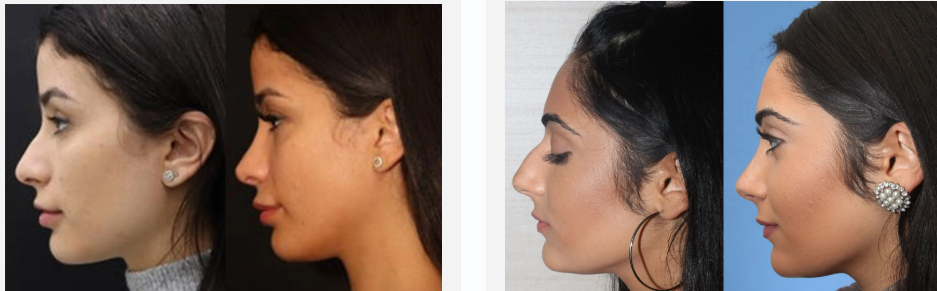
Revision rhinoplasty is one of the most technically demanding procedures in facial plastic surgery. Unlike primary rhinoplasty, revision surgery must address both aesthetic concerns and structural weaknesses left behind from a previous operation. Scar tissue, reduced cartilage support, and compromised nasal anatomy make surgical planning far more complex.
One of the most critical tools surgeons rely on in these cases is structural grafting. By rebuilding and reinforcing the nasal framework, structural grafts restore function, improve symmetry, and create long-lasting cosmetic results.
Why Structural Grafting Is Essential in Revision Rhinoplasty
Patients seeking revision rhinoplasty Toronto specialists often present with issues such as nasal collapse, pinched tips, asymmetry, breathing problems, or over-resection of cartilage. In many of these cases, the nose lacks adequate structural support because too much cartilage was removed during the initial procedure.
Structural grafting addresses these problems by:
Reinforcing weakened nasal walls
Restoring tip projection and definition
Correcting internal or external valve collapse
Improving airflow and breathing
Enhancing long-term stability of results
Surgeons in Toronto who specialize in revision cases understand that simply reshaping the nose is not enough. The underlying framework must be rebuilt to ensure both aesthetic refinement and functional integrity.
Common Structural Problems in Revision Cases
Revision rhinoplasty patients typically present with one or more of the following structural challenges:
1. Over-Resected Nasal Tip
Excessive cartilage removal can cause a drooping, asymmetrical, or “pinched” appearance. Without adequate support, the nasal tip may collapse over time.
2. Internal Nasal Valve Collapse
When the middle vault of the nose is weakened, airflow becomes restricted. Patients often complain of persistent breathing difficulty following their original surgery.
3. Saddle Nose Deformity
Over-resection of dorsal cartilage or bone can result in a concave or sunken nasal bridge.
4. Scar Tissue Distortion
Scar tissue can pull the nose into unnatural shapes, making precise correction more difficult and requiring reinforcement with grafts.
Structural grafting provides solutions for each of these complications.
Types of Structural Grafts Used by Toronto Surgeons
Experienced revision surgeons carefully select graft materials based on the patient’s anatomy and surgical history. The most common sources include:
Septal Cartilage: In primary rhinoplasty, the nasal septum is usually the first source of graft material. However, in revision cases, septal cartilage may already be depleted. If sufficient cartilage remains, it is still preferred due to its strength and straightness.
Ear (Conchal) Cartilage: When septal cartilage is unavailable, surgeons may harvest cartilage from the ear. Ear cartilage is curved and flexible, making it ideal for tip grafts and contour refinement while maintaining natural aesthetics.
Rib (Costal) Cartilage: For significant reconstruction, rib cartilage provides the most abundant and strongest graft material. It is often used in cases involving major structural collapse or saddle nose deformities. Although rib grafting adds complexity, it offers durable and stable support.
Key Structural Grafting Techniques
Toronto surgeons employ advanced techniques to rebuild the nasal framework in revision procedures.
Spreader Grafts: Placed between the septum and upper lateral cartilages, spreader grafts widen the middle vault and improve airflow. They are commonly used to correct internal valve collapse and restore dorsal aesthetic lines.
Columellar Strut Grafts: Inserted between the medial crura, these grafts provide tip support and projection. They help maintain long-term stability and prevent drooping.
Alar Batten Grafts: These reinforce weakened sidewalls of the nose, preventing external valve collapse and improving breathing during inspiration.
Shield and Tip Grafts: Used to enhance tip definition and symmetry, these grafts refine contour while preserving structural integrity.
Dorsal Onlay Grafts: Applied along the nasal bridge, these grafts correct saddle deformities and restore a smooth, natural profile.
Each graft is meticulously shaped and positioned to integrate seamlessly with the existing anatomy.
The Importance of an Open Surgical Approach
In most revision cases, surgeons favor an open rhinoplasty approach. This technique allows full visualization of the nasal framework, scar tissue, and previously altered structures. Enhanced visibility is crucial when performing precise structural grafting.
Because revision anatomy can be unpredictable, direct access improves accuracy and reduces the risk of further complications.
Recovery After Structural Grafting
Recovery following structural grafting in revision rhinoplasty is similar to primary surgery but may involve slightly more swelling due to the complexity of the procedure.
Patients can generally expect:
Bruising and swelling for 1–2 weeks
Gradual refinement over several months
Final results visible after 12–18 months
Swelling in the tip area may take longer to resolve, particularly when extensive grafting has been performed. Toronto surgeons typically provide detailed post-operative instructions to optimize healing and protect graft integrity.
Risks and Considerations
Structural grafting requires advanced surgical skill. Potential risks include:
Graft warping (especially with rib cartilage)
Infection
Asymmetry
Prolonged swelling
However, when performed by an experienced revision rhinoplasty specialist, complications are minimized and outcomes are significantly improved. Choosing a surgeon with specific expertise in complex nasal reconstruction is critical. Revision rhinoplasty is not simply a repeat of the original procedure—it is a reconstructive process that demands careful analysis, surgical artistry, and deep anatomical understanding.
Final Thoughts
Structural grafting plays a central role in successful revision rhinoplasty. By restoring support, improving airflow, and enhancing contour, grafting techniques allow surgeons to correct previous surgical shortcomings while delivering natural-looking results.
For patients dissatisfied with their initial rhinoplasty, consulting a highly experienced Toronto specialist who focuses on structural reconstruction can make all the difference. With the right surgical plan and precise grafting techniques, both function and aesthetics can be effectively restored—providing renewed confidence and long-term satisfaction.
Topic Participants
Pat