How to Properly Use and Dispose of Nitrile Gloves in Medical Settings
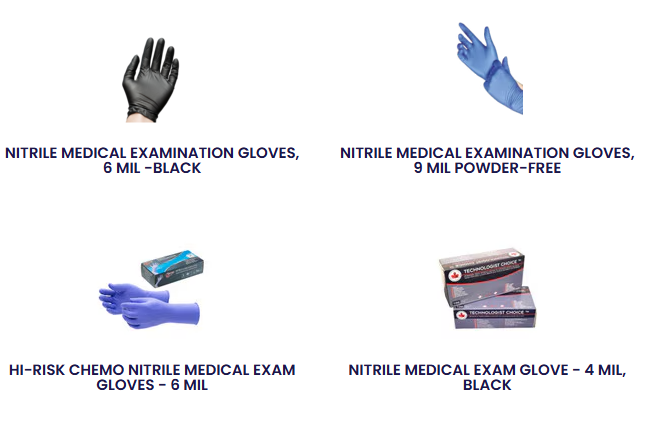
Medical nitrile gloves are an essential component of personal protective equipment (PPE) in healthcare settings. They provide a barrier against harmful pathogens, chemicals, and bodily fluids, ensuring both healthcare workers and patients remain safe. However, improper use or disposal of nitrile gloves can compromise safety and increase the risk of cross-contamination. This article provides a comprehensive guide on how to properly use and dispose of nitrile gloves in medical environments.
Understanding Nitrile Gloves
Medical Nitrile gloves are made from synthetic rubber, making them a reliable alternative to latex gloves, especially for individuals with latex allergies. They are resistant to punctures, chemicals, and many infectious agents, which makes them ideal for medical, laboratory, and emergency applications. Unlike latex gloves, nitrile gloves are less likely to tear and provide excellent tactile sensitivity, allowing healthcare professionals to perform delicate procedures safely.
When to Use Nitrile Gloves
Nitrile gloves should be worn whenever there is potential contact with:
Blood, saliva, or other bodily fluids
Contaminated surfaces or medical instruments
Chemicals, disinfectants, or medications
Patients with infectious diseases
Proper usage ensures that both the wearer and the patient are protected from potential transmission of infections and contaminants.
Proper Steps for Donning Nitrile Gloves
Correctly putting on nitrile gloves may seem simple, but attention to detail is crucial:
Hand Hygiene: Before wearing gloves, thoroughly wash your hands with soap and water or use a hand sanitizer. This reduces the risk of contaminating the gloves while putting them on.
Check for Damage: Inspect each glove for tears, holes, or defects. Damaged gloves should never be used, as they compromise protection.
Don Gloves carefully: Take one glove from the box and hold it by the cuff.
Slide your hand in, ensuring fingers align properly with the glove.
Repeat with the other hand: Avoid touching the outside of the glove with bare hands.
Ensure a Snug Fit: Gloves should fit comfortably without being too tight, as tight gloves can tear easily, and loose gloves may reduce dexterity.
Using Gloves Safely in Medical Settings
Wearing gloves alone is not enough. Safe usage involves minimizing contamination risks:
Avoid Touching Your Face or Personal Items: Gloves can carry pathogens. Avoid touching your face, phone, or other personal items while wearing gloves.
Change Gloves Frequently: Replace gloves between patients, after handling contaminated materials, or if they become torn or compromised.
Do Not Reuse Disposable Gloves: Nitrile gloves are designed for single use. Reusing gloves increases the risk of infection.
Limit Cross-Contamination: Do not touch clean surfaces or instruments with gloves that have been in contact with contaminants.
Proper Removal of Nitrile Gloves
Removing gloves safely is just as important as wearing them correctly. Improper removal can result in contact with infectious material:
Pinch and Pull: Pinch the outside of one glove near the wrist and peel it away from your hand, turning it inside out as you remove it.
Slide Under the Second Glove: With the gloved hand, slide fingers under the wrist of the second glove and peel it off over the first glove. Both gloves should now be inside out.
Avoid Contact: Avoid touching the outside of the gloves with your bare hands.
Dispose Properly: Place gloves in designated medical waste containers immediately after removal.
Disposal Guidelines for Nitrile Gloves
Proper disposal is critical to prevent the spread of infections:
Use Biohazard Bins: Gloves contaminated with blood, bodily fluids, or infectious materials should be disposed of in biohazard containers.
Non-Contaminated Gloves: Gloves used for non-hazardous procedures can be disposed of in regular medical waste bins, following facility guidelines.
Avoid Environmental Contamination: Do not throw gloves in public areas, sinks, or recycling bins. Nitrile gloves are not biodegradable and can harm the environment if not disposed of correctly.
Additional Best Practices
Store Gloves Properly: Keep gloves in a cool, dry place away from direct sunlight or heat, which can degrade the material.
Use the Right Size: Wearing gloves that are too small or too large can compromise protection and dexterity.
Training and Compliance: Ensure all healthcare staff are trained in proper glove usage, removal, and disposal procedures. Compliance with these standards is essential for patient safety and regulatory adherence.
Conclusion
Nitrile gloves are a vital tool in maintaining hygiene and safety in medical settings. Proper usage, removal, and disposal are key to preventing cross-contamination and protecting both healthcare professionals and patients. By following established guidelines, healthcare facilities can maximize the protective benefits of nitrile gloves while minimizing the risk of infection or contamination.
Remember, gloves are only one part of a comprehensive infection control strategy that also includes hand hygiene, PPE, and environmental cleaning. Treat each pair of gloves as a barrier, use them correctly, and dispose of them responsibly to maintain a safe and healthy medical environment.
Topic Participants
Pat