How Long Before You Can Drive After LASIK in Toronto
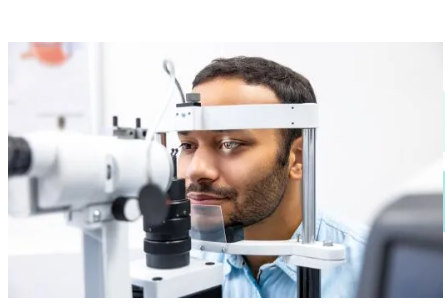
Although LASIK offers fast results it is still a medical procedure that requires short but careful healing. Driving too early can be unsafe not only for you but for others on the road. Knowing what to expect will help you make informed decisions and recover with confidence.
Immediate Vision Changes After LASIK
Right after LASIK Toronto surgery your vision will not be clear enough for driving. Most patients experience blurry or foggy vision along with light sensitivity watering of the eyes and mild discomfort. These effects are normal and usually improve quickly but they make driving unsafe.
For this reason patients are strictly advised not to drive on the day of surgery. You will need to arrange transportation home in advance. Even short trips are not recommended because your depth perception reaction time and visual clarity may be affected during the first several hours.
Resting your eyes during this period is important. Keeping them closed using prescribed eye drops and avoiding bright environments can support faster recovery.
Typical Timeline for Driving After LASIK
For most patients in Toronto driving becomes possible within twenty four hours after LASIK. By this time vision has usually improved significantly and discomfort has reduced. A follow up appointment is typically scheduled the day after surgery to evaluate healing and vision quality.
During this visit the surgeon checks visual acuity corneal stability and overall eye health. If your vision meets driving standards and there are no concerns you may be cleared to drive. Many patients are surprised by how quickly they regain functional vision but it is important to wait for professional approval rather than relying on how your vision feels.
Some patients may need slightly longer especially if vision fluctuates or dryness is present. Recovery varies and there is no single timeline that applies to everyone.
Factors That Can Delay Driving
Several factors can affect how soon you can safely drive after LASIK. Light sensitivity is common during early recovery and bright sunlight or reflections can feel uncomfortable. Wearing sunglasses can help but severe sensitivity may require extra time before driving.
Night vision changes can also play a role. Some patients notice glare or halos around lights particularly at night. While this usually improves over time it may make night driving difficult in the first few days. Many patients feel comfortable driving during the day before attempting nighttime driving.
Dry eyes are another factor. Temporary dryness can cause fluctuating vision making it harder to focus while driving. Using lubricating eye drops as directed often improves comfort and clarity.
The type of procedure performed and individual healing response also influence recovery speed. Your surgeon will explain what to expect based on your specific situation.
Driving Safely During Early Recovery
Once you are cleared to drive it is best to start slowly. Begin with short daytime trips in familiar areas. Avoid heavy traffic long drives and stressful conditions during the first few days. Toronto traffic can be busy so easing back into driving helps reduce strain on your eyes.
Wearing sunglasses can reduce glare and improve comfort. Keeping eye drops nearby can help maintain clear vision. If at any point your vision feels unstable or uncomfortable it is best to stop driving and reassess.
Listening to your body is just as important as medical clearance. Feeling confident relaxed and visually comfortable behind the wheel is essential for safe driving.
When to Contact Your LASIK Clinic
While most recoveries are smooth it is important to contact your clinic if you experience persistent blurry vision increasing discomfort or difficulty focusing while driving. Redness pain or worsening symptoms should also be reported promptly.
Early communication helps ensure proper healing and peace of mind. Your clinic is there to support you throughout the recovery process and address any concerns that arise.
Conclusion
Most patients can safely drive within twenty four hours after LASIK in Toronto once their surgeon confirms that vision meets driving standards. However recovery is individual and factors such as light sensitivity night vision changes and dry eyes can influence timing. Driving should never be rushed and safety must always come first. By attending follow up appointments following care instructions and easing back into driving gradually patients can return to the road confidently and enjoy the benefits of clearer vision.
Topic Participants
Pat